H4 treated posts are the common standard for residential fence posts in NZ. H5 is used for heavier, more demanding ground contact.
"The workmanship was excellent, the fence looks fantastic, and the attention to detail really shows."
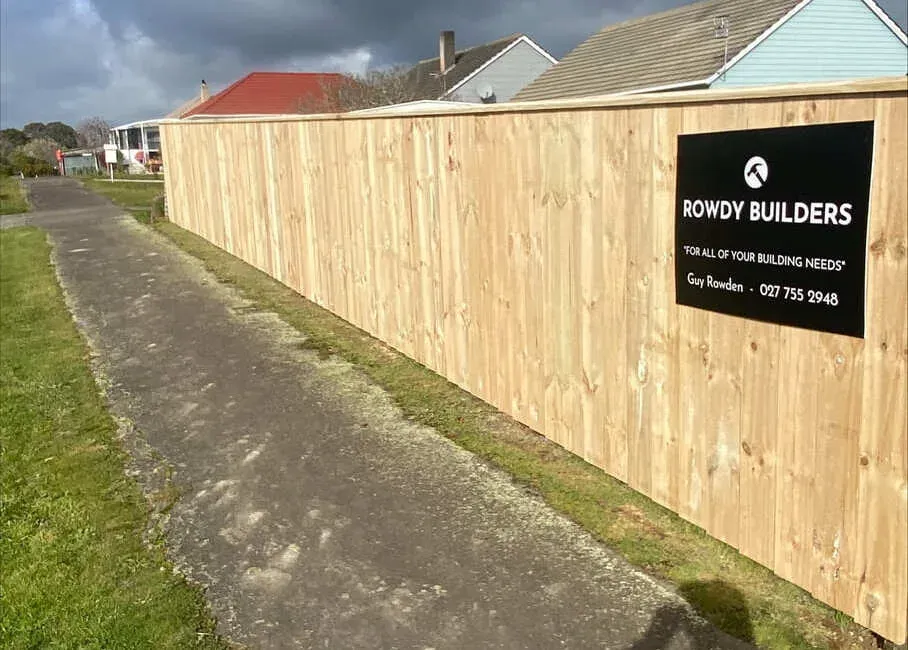
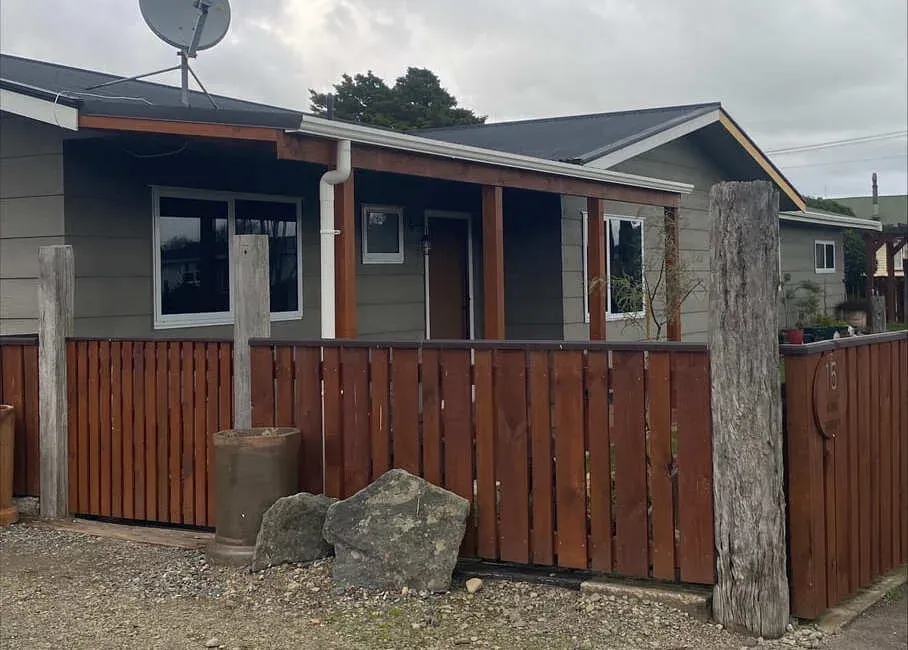
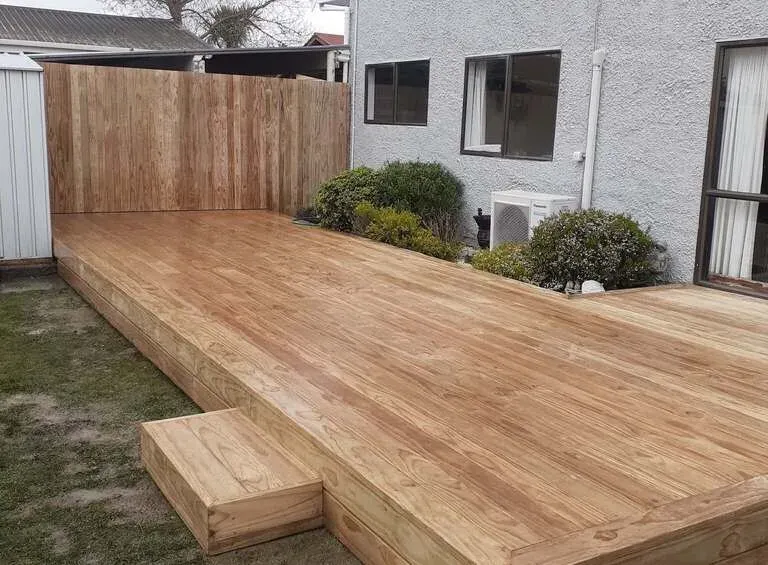
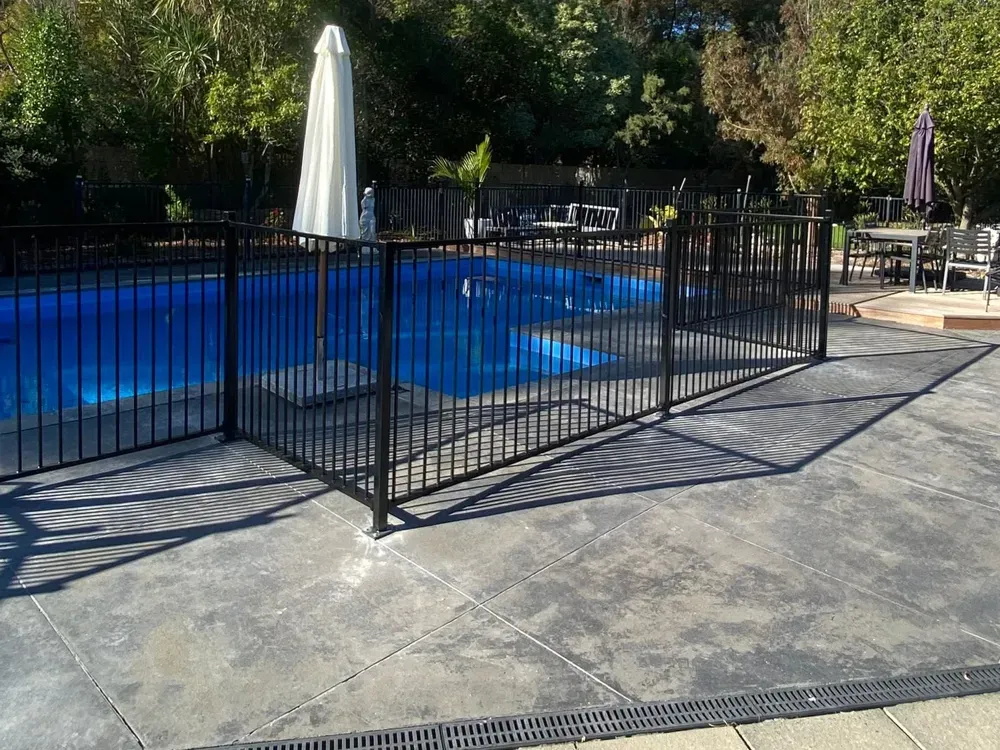
"We had a large fencing job done, and we couldn’t be happier with the result. The workmanship was excellent, the fence looks fantastic, and the attention to detail really shows. The whole process was professional from start to finish, with the job completed to a very high standard. It’s clear that pride was taken in the work, and the finished result has made a huge difference to the property. We would have no hesitation in recommending Rowdy Builders to anyone looking for a reliable, professional fence builder. Brilliant job and an excellent result."
Rob B."We couldn’t be happier with the work from Guy at Rowdy Builders. From start to finish, he was friendly, professional and incredibly organised. He coordinated all aspects of the work, including arranging the additional trades required, and kept us well informed throughout the entire process. Everything was handled smoothly and professionally, and the end result was fantastic. We would highly recommend Rowdy Builders to anyone looking for quality workmanship and an stress-free experience"
Hayley & Rhys"We recently had Guy and his ream construct a roof over the deck of our new house. He was pleasant and punctual on the site visit and made a number of suggestions on how it could be achieved. His quote was very reasonable and his timeline was stuck to. We are very happy with the result and recommend him to anyone looking for a similar job."
Steffan D."We recently engaged Guy from Rowdy Builders to repair a wooden fence blown over in strong winds, and construct a medium size deck at our property. From the outset, Guy was professional, approachable, and communicated extremely well, keeping us updated on progress and ensuring we knew what to expect at each stage of the project. The quality of workmanship was outstanding. The fence repairs were completed to a high standard, and the new deck has completely transformed our outdoor area. It is clear that Guy takes pride in his work and pays attention to detail, delivering a finished product that exceeded our expectations. We are extremely pleased with the result and would not hesitate to recommend Guy and Rowdy Builders to anyone looking for reliable, skilled tradespeople who deliver what they promise."
Steve C.Treated timber in New Zealand is rated by hazard class. The higher the number, the more severe the exposure the timber is treated for. For fences, three grades come up most often.
Choosing the right grade for each part of the fence matters more than choosing the most expensive timber for everything.
| Grade | Used for | Notes |
|---|---|---|
| H3.2 | Rails, palings, capping above ground | For above-ground use, exposed to weather |
| H4 | Fence posts in the ground | The usual choice for residential posts |
| H5 | Heavier ground contact, retaining and structural posts | Used where conditions are more demanding |
General guide. Always check the treatment stamp and the intended use.
Ground contact needs H4 or H5. H3.2 in the ground rots.
Common practice is around 600 to 900 mm in the ground for a 1.8 m fence, deeper on exposed sites.
Concrete holds the post and protects against movement, but should drain, not trap water.
Posts are typically spaced about 1.8 to 2.4 m apart, closer for solid screens or heavy gates.
Cut ends should be sealed, because treatment does not penetrate fully.
A small gap above ground stops palings sitting in wet soil.
H4 is the usual standard for residential fence posts. H5 is used for heavier ground contact or structural posts.
Not in the ground. H3.2 is for above-ground use and will rot in contact with soil.
Around 600 to 900 mm for a 1.8 m fence is common, with more on exposed or soft ground.
Typically 1.8 to 2.4 m, depending on the fence type.
In most cases yes, especially for tall or exposed fences and gate posts.
Often 15 to 25 years in the ground, depending on conditions and installation.
Hardwood posts can last longer but cost more. Treated pine is the standard for value.
That is where moisture and air meet. Good grade, good drainage and sealed cut ends help.
Steel posts do not rot, but they can rust and cost more. They are common with Colorbond.
Often yes. We reset or replace posts and refix the panels.
Spring and summer book out fast. Get your free measure up in now.